

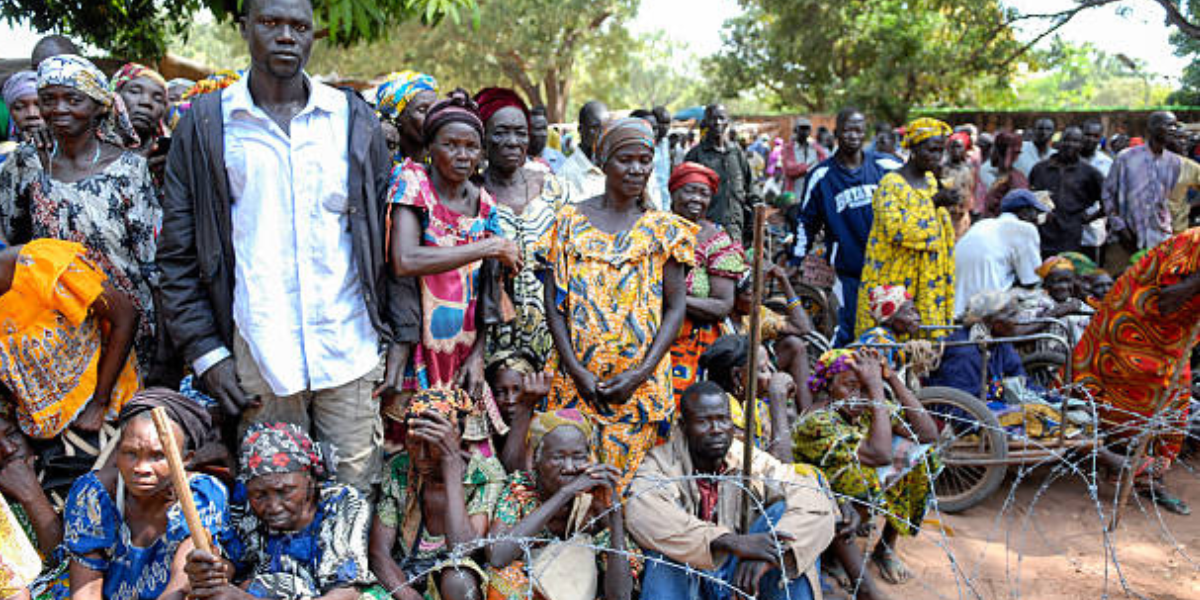
The journey of internally displaced people (IDPs) is one marked by resilience, courage, and hope in the face of unimaginable challenges. Forced to flee their homes due to conflict, violence, natural disasters, or persecution, IDPs often find themselves in unfamiliar surroundings, struggling to rebuild their lives and regain a sense of stability and security. At the Battiston Lyonga Foundation (House of Hope), we recognize the unique plight of IDPs and are committed to supporting them on their journey from crisis to opportunity. Through our holistic approach to assistance and empowerment, we aim to not only address the immediate needs of IDPs but also provide them with the tools and resources they need to rebuild their lives and thrive in their new communities.
Understanding the Crisis
The Impact of Forced Displacement
Forced displacement is a humanitarian crisis of staggering proportions, affecting millions of people around the world. Whether fleeing conflict in Syria, violence in South Sudan, or natural disasters in Haiti, IDPs are among the most vulnerable populations, facing acute risks to their safety, well-being, and human rights. Forced to leave behind their homes, livelihoods, and communities, IDPs often find themselves in precarious situations, lacking access to basic necessities such as food, shelter, and healthcare.
Vulnerabilities and Challenges
Internally displaced people face a myriad of challenges and vulnerabilities as they navigate life in displacement. From overcrowded and unsanitary living conditions in camps to limited access to education and economic opportunities, IDPs are often marginalized and excluded from mainstream society, exacerbating their already precarious situation. Moreover, the trauma of displacement and loss can have lasting psychological effects on individuals and families, further hindering their ability to rebuild their lives and move forward.
Our Approach to Support and Empowerment
Meeting Immediate Needs
At the Battiston Lyonga Foundation (House of Hope), we prioritize meeting the immediate needs of internally displaced people, including access to food, clean water, shelter, and healthcare. Through emergency relief efforts, humanitarian aid distributions, and mobile outreach services, we provide essential assistance to IDPs in crisis situations, helping them survive and cope with the challenges of displacement.
Providing Long-term Support
Beyond meeting immediate needs, we also provide long-term support to internally displaced people to help them rebuild their lives and regain a sense of dignity and self-sufficiency. This includes livelihood support programs, vocational training, and income-generating activities that empower IDPs to earn a living and support themselves and their families. Additionally, we offer psychosocial support services, trauma counseling, and community-based initiatives to address the psychological and emotional impacts of displacement and promote resilience and well-being.
Promoting Integration and Inclusion
Central to our approach is the promotion of integration and inclusion of internally displaced people within their host communities. We work closely with local authorities, community leaders, and civil society organizations to foster understanding, tolerance, and acceptance of IDPs and ensure their rights and needs are recognized and respected. By promoting social cohesion and solidarity, we create environments where IDPs can rebuild their lives and contribute positively to their new communities.
Collaborating for Impact
Partnerships and Collaboration
Addressing the needs of internally displaced people requires collaboration and partnership with a wide range of stakeholders, including government agencies, non-profit organizations, humanitarian actors, and local communities. By working together, we can leverage resources, share expertise, and coordinate efforts to provide comprehensive support and assistance to IDPs and promote durable solutions to displacement.
Conclusion: A Journey of Hope and Resilience
The journey of internally displaced people is one of hardship, loss, and uncertainty, but it is also a journey of hope, resilience, and determination. At the Battiston Lyonga Foundation (House of Hope), we stand in solidarity with IDPs and are committed to supporting them on their journey from crisis to opportunity. Through our holistic approach to assistance and empowerment, we aim to provide IDPs with the support, resources, and opportunities they need to rebuild their lives, reclaim their dignity, and build a brighter future for themselves and their families. Together, we can turn crisis into opportunity and ensure that no one is left behind.