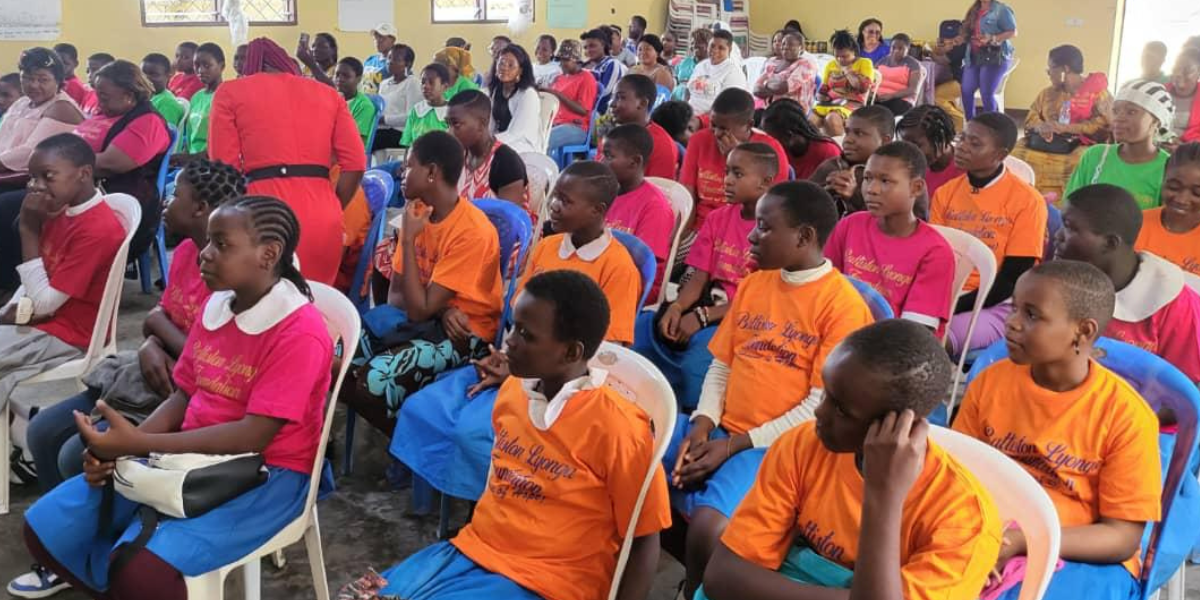
Empowering girls is not just a moral imperative; it’s also a strategic investment in the future of communities and nations worldwide. When girls are given equal access to education, healthcare, and opportunities, they become powerful agents of change, driving progress and development in their societies.
The Importance of Girl Empowerment
Education as a Catalyst for Change
Education is often considered the cornerstone of empowerment. When girls are educated, they are better equipped to make informed decisions about their lives, pursue higher education and careers, and contribute positively to their communities. However, many girls around the world still face barriers to education, including poverty, cultural norms, and lack of infrastructure. By prioritizing girls’ education, societies can break the cycle of poverty, reduce child marriage and early pregnancies, and promote gender equality.
Health and Wellbeing
Access to healthcare is another critical aspect of girl empowerment. Ensuring girls have access to essential healthcare services, including reproductive health education and resources, can help reduce maternal mortality rates, improve child health outcomes, and empower girls to make informed decisions about their bodies and futures. Moreover, investing in girls’ health and wellbeing has long-term benefits for communities, as healthier girls grow into healthier women who can contribute to the workforce and economy.
Economic Empowerment
Economic empowerment is essential for girls to break free from the cycle of poverty and achieve financial independence. Providing girls with opportunities for vocational training, entrepreneurship, and access to financial resources can enable them to build sustainable livelihoods and support themselves and their families. Additionally, when girls earn incomes, they are more likely to invest in their families’ education, health, and wellbeing, creating a ripple effect of positive change across generations.
Challenges and Opportunities
Gender-Based Violence
Despite progress in recent years, gender-based violence remains a significant barrier to girls’ empowerment. From domestic violence to early and forced marriage, girls continue to face various forms of violence and discrimination that limit their ability to thrive and reach their full potential. Addressing gender-based violence requires a comprehensive approach, including legal reforms, awareness campaigns, and support services for survivors.
Cultural and Social Norms
Cultural and social norms often dictate girls’ roles and opportunities within their communities. In many societies, girls are expected to prioritize household chores and caregiving responsibilities over education and personal development. Changing these norms requires community engagement, advocacy, and targeted interventions to challenge harmful stereotypes and promote gender equality.
Lack of Resources and Infrastructure
In many parts of the world, girls face significant barriers to education due to inadequate resources and infrastructure. From lack of schools and classrooms to long distances and safety concerns, girls often have limited access to quality education opportunities. Addressing these challenges requires investment in infrastructure, teacher training, and policies that prioritize girls’ education and safety.
The Way Forward: Empowering Girls for a Sustainable Future
Empowering girls is not just the right thing to do; it’s also the smart thing to do. When girls are educated, healthy, and economically empowered, they become powerful agents of change who can break the cycle of poverty, drive economic growth, and build resilient communities. To achieve sustainable development, we must prioritize girls’ empowerment at all levels—from local communities to global policy agendas. By investing in girls today, we are investing in a brighter, more prosperous future for us all.